3 hours ago
Cynthia Erivo’s One-Person, Queer Retelling of Dracula Set to Open in London’s West End
READ TIME: 3 MIN.
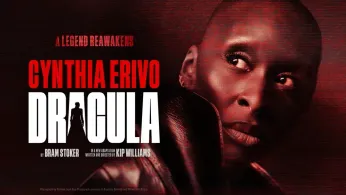
Cynthia Erivo is set to return to the London stage in a new West End production of Dracula, playing every character in a solo adaptation that its director has described as a “queer retelling” of Bram Stoker’s classic novel.
The production will run at the Noël Coward Theatre in London from 4 February to 31 May 2026, billed as a strictly limited 16‑week engagement. According to the show’s official site and ticketing partners, performances are scheduled Monday to Saturday with an approximate running time of 1 hour 50 minutes and no interval. Producer information notes that Erivo is scheduled to appear at all performances, while stressing that no individual appearance can be absolutely guaranteed.
Erivo, a three‑time Oscar nominee and Tony, Emmy and Grammy winner, will portray 23 roles in the production, including Jonathan Harker, Mina Murray, Lucy Westenra, Van Helsing, and Count Dracula. Marketing materials emphasize that this casting continues director Kip Williams’ exploration of solo “cinetheatre, ” a hybrid form that combines live performance with live and pre‑recorded video.
The new Dracula is written and directed by Williams, whose earlier production of The Picture of Dorian Gray — another solo, video‑driven work — won major awards in London and New York. Williams first staged his adaptation of Dracula at Sydney Theatre Company in 2024, where the piece formed the final part of a gothic “cinetheatre” trilogy that also included Dorian Gray and The Strange Case of Dr Jekyll and Mr Hyde.
In an interview cited by Playbill, Williams described the West End staging as a “queer retelling of the story” and said the creative team is “looking at reclaiming the vampire. ” This framing situates the production in a long cultural history in which vampire stories have been read through queer lenses, including themes of desire, otherness, and social transgression. By explicitly naming the project as queer, the director signals an intention to foreground those themes for contemporary audiences, including LGBTQ+ communities who have often found resonance in Gothic narratives of outsiders and forbidden intimacy.
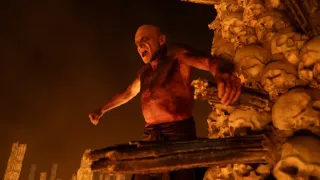
Publicity materials describe the setting as a crumbling castle in a remote wilderness, where Count Dracula has waited in hiding for centuries before turning attention toward new victims and the residents of London. The production is presented as a “blood‑pumping reimagining” of the story, promising a mix of horror and psychological tension.
Erivo has spoken about the emotional and artistic stakes of leading the show, calling the production “a homecoming” to the stage and “a rare gift” that allows an actor to inhabit “so many voices and perspectives in one piece. ” She said Kip Williams’ vision is “thrilling, terrifying, and deeply resonant, ” and that the work “asks everything” of her, a challenge she said she is “ready to give” to West End audiences. Erivo’s return to the West End follows her acclaimed performance as Celie in The Color Purple in London and on Broadway, for which she won a Tony Award for Best Actress in a Musical.
The West End staging reunites Williams with key collaborators from Dorian Gray, including designer Marg Horwell, lighting designer Nick Schlieper, and composer Clemence Williams. The creative team also features sound designer Jessica Dunn, video designer Craig Wilkinson, and dramaturg Zahra Newman. Producers note that the show incorporates live video, pre‑recorded film and a varied soundtrack blending classical, contemporary and club music, with Erivo performing one song near the end of the piece.
Press materials highlight that the production aims to probe “the monster within” and explore the pull of “seductive, unstoppable and dangerously addictive” forces, language that aligns with Williams’ stated interest in reclaiming the vampire through a queer lens. For LGBTQ+ audiences and allies, the combination of a Black, queer‑identified star leading a canonical horror text in a queer retelling, and the use of experimental staging, positions the show as a high‑profile example of inclusive casting and storytelling in the West End.